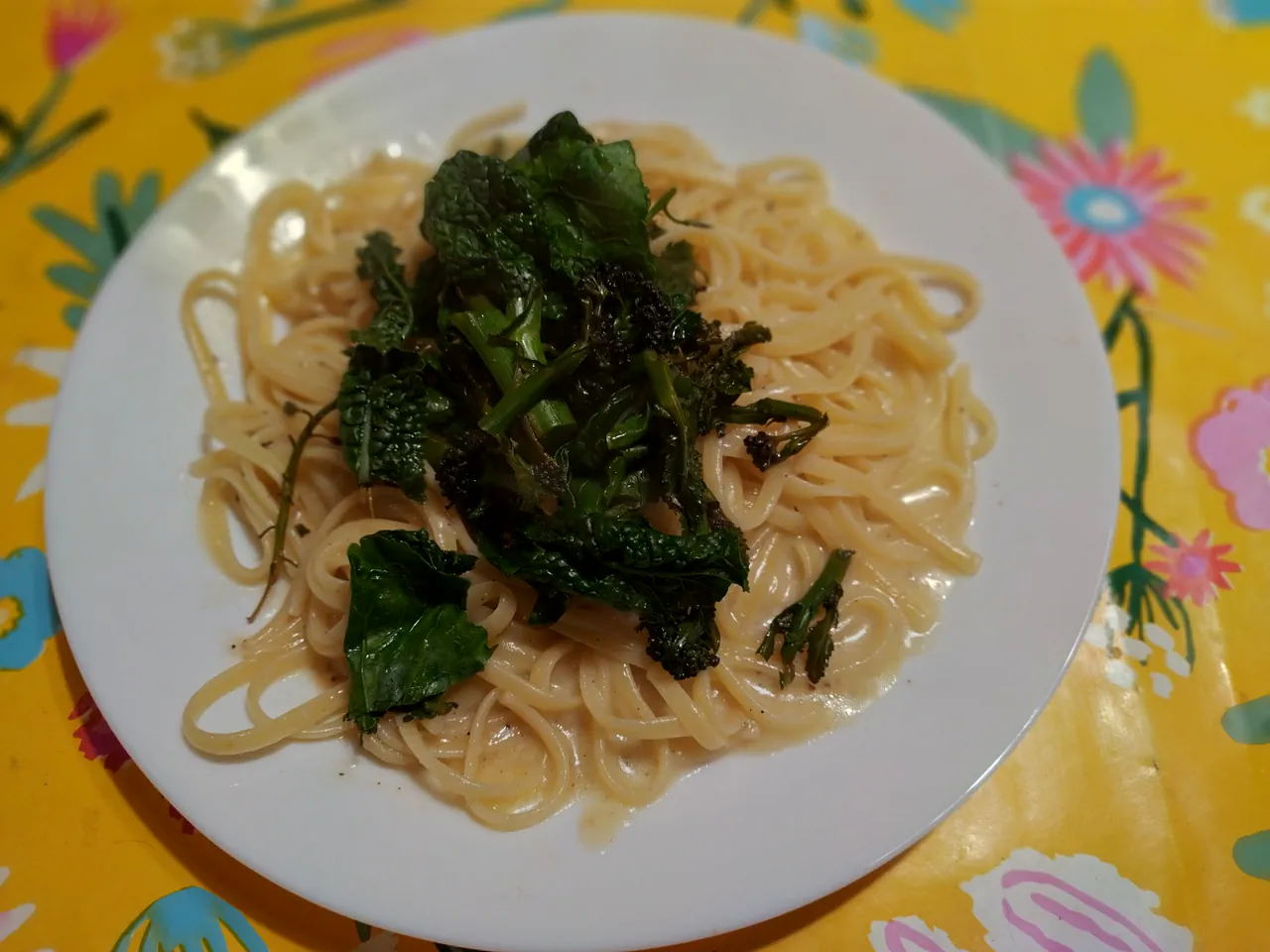
Cacio e pepe is one of the simplest pasta dishes you can make. Cheese, pepper, pasta water. That is it. Three ingredients, fifteen minutes, and yet it amazes every single time. There is something almost unfair about how good it is for how little goes into it — the kind of dish that makes you wonder why anyone bothers with complicated food.
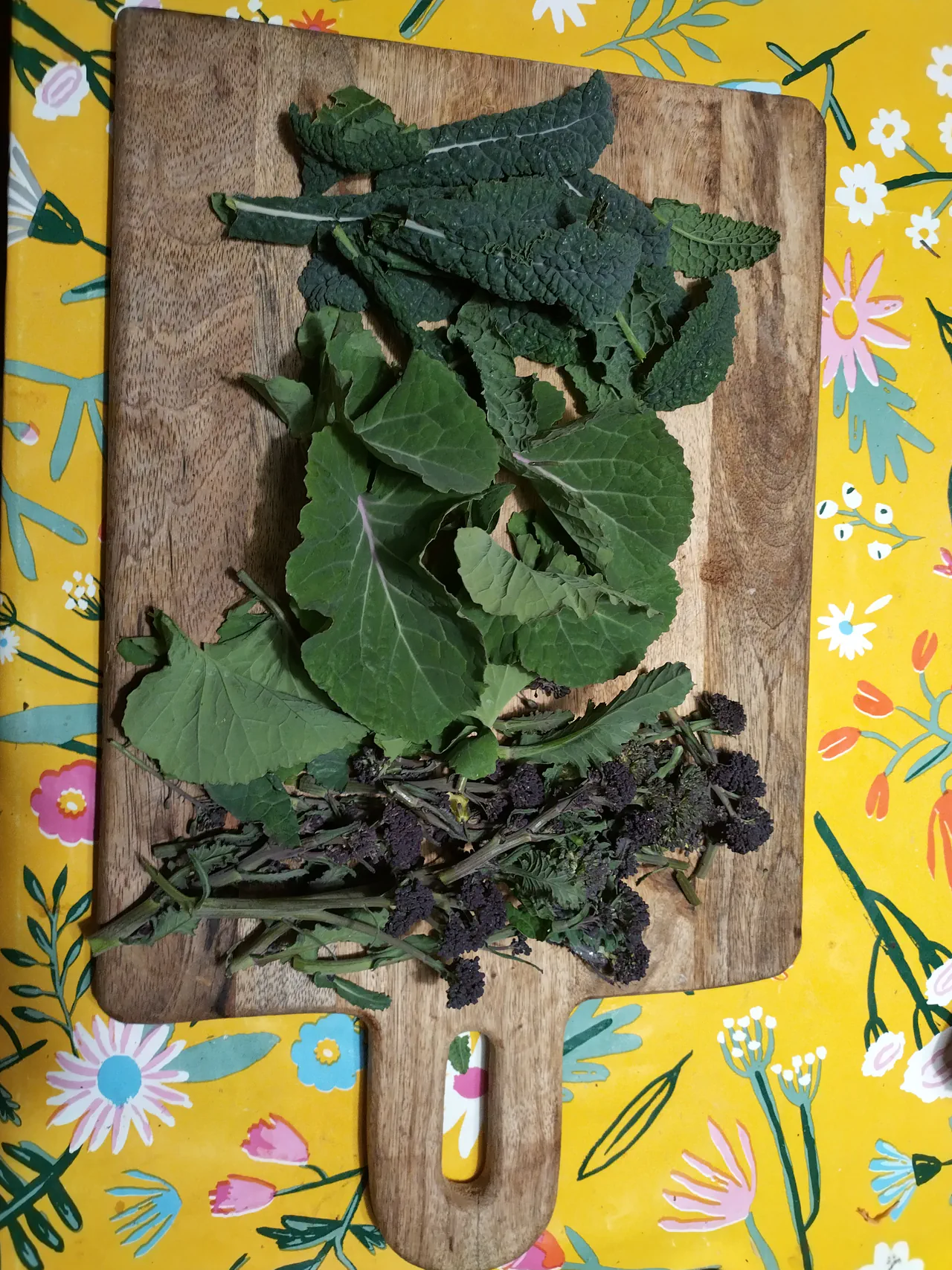
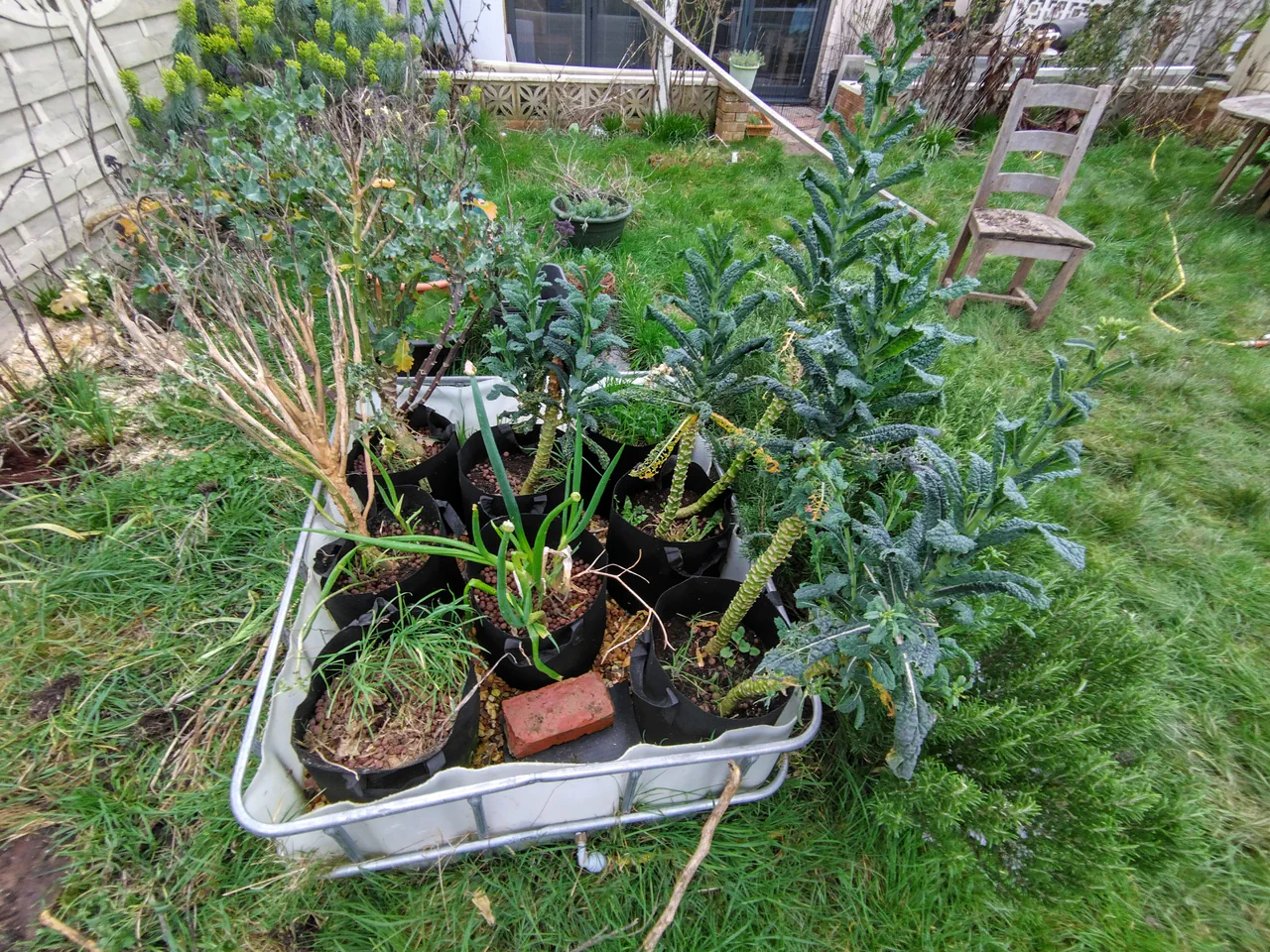
But I do not just make cacio e pepe as a standalone dish. I use it as a platform — a base technique that I adapt constantly depending on what is growing. The classic sauce-building method (starchy water, pepper, cheese) works as a foundation for whatever the garden has at any given moment. In February that means purple sprouting broccoli from the gravel bed hydroponic system, cavolo nero that overwintered in the same system, and Taunton Deane kale from the soil garden. In summer it might be handfuls of basil and courgettes. The base stays the same; the greens change with the season.
I know the classicists would have my head for half of what is in this recipe. Soy sauce. Butter. Cornstarch. But this is how I cook it, and it works. The whole philosophy of this site is cooking with what works, not what tradition dictates. If you want the purist three-ingredient version, skip the greens section and leave out the butter. It will still be excellent. But try it my way first.
This is February food from systems that are supposedly shut down for winter. The purple sprouting broccoli and cavolo nero are still cropping from a hydroponic gravel bed that has been running on nothing but rainwater for three months. The fact that you can walk outside in February and pick enough greens to make this dish is the whole point of the site.
Ingredients
Pasta and cheese
Sauce
Greens
Method
The Starchy Water Trick
Cook the pasta in a wide pan — wide enough for the spaghetti or linguine to lie flat on its side. Use only about 5cm of water above the pasta. Less water means higher starch concentration, which means better sauce. A big wide saucepan is ideal; a frying pan works perfectly well too.
Before the pasta goes in, ladle out some of the water and let it cool until it is warm, not hot. This matters — cornstarch clumps instantly in hot water, giving you lumps instead of a smooth slurry. Dissolve one heaped teaspoon of cornstarch in the cooled ladleful, mix until smooth, then stir it back into the pan. This is the Ig Nobel trick adapted for practicality — it guarantees enough starch in the water to prevent the sauce splitting later.
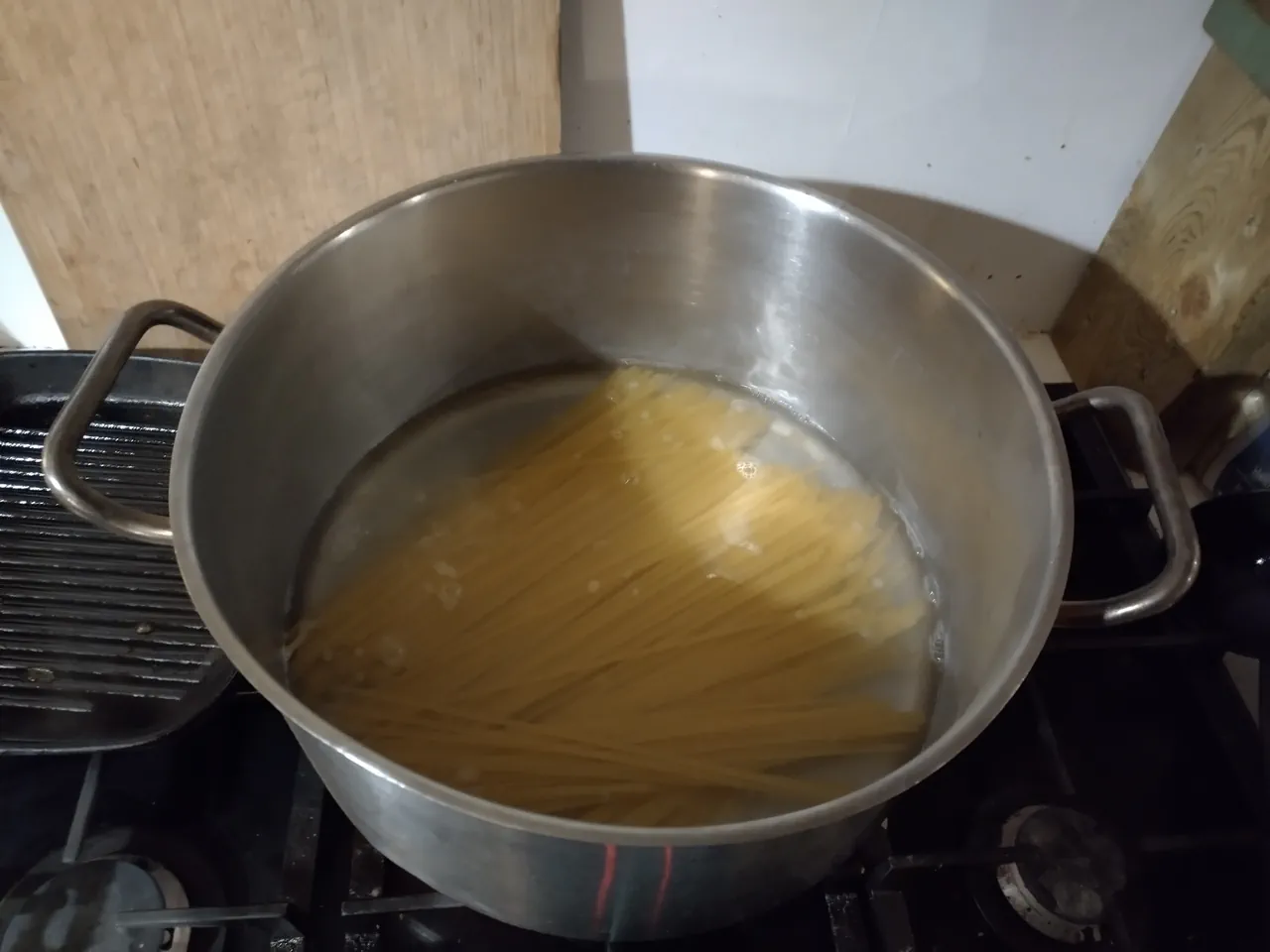
Cook the pasta to just short of al dente — it will finish cooking in the sauce. Do not drain it through a colander. Do not rinse it. You want every bit of that starchy water. Lift the pasta out with tongs, reserving the water in the pan.
Charred Greens with Soy and Lemon
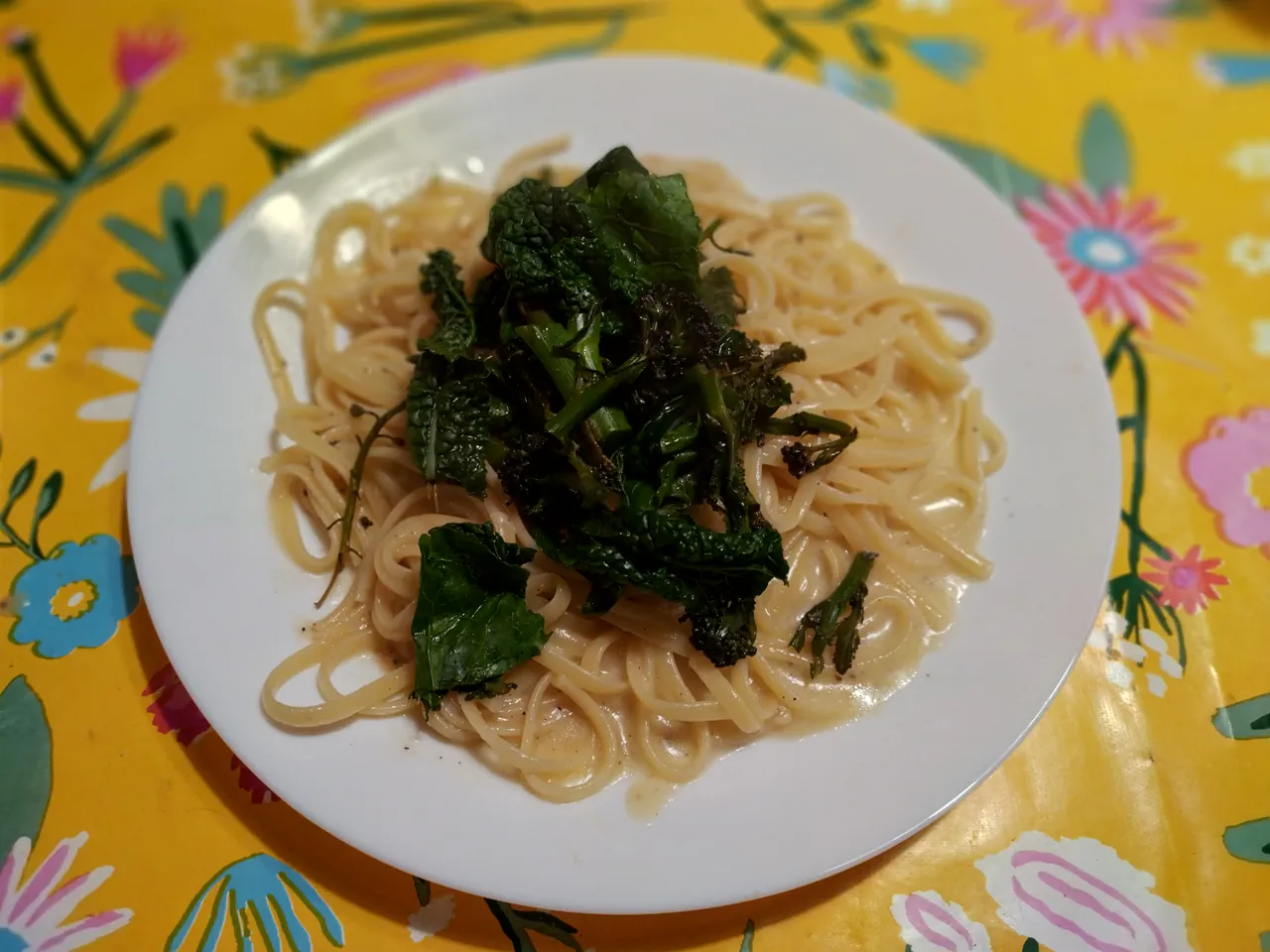
While the pasta cooks, get a griddle pan smoking hot. Griddle the purple sprouting broccoli (or whatever sturdy greens you have) dry — no oil — until the edges start to catch and char. The blackened bits are where the flavour is. Vegetables with low sugar content take on a particularly good flavour when charred.
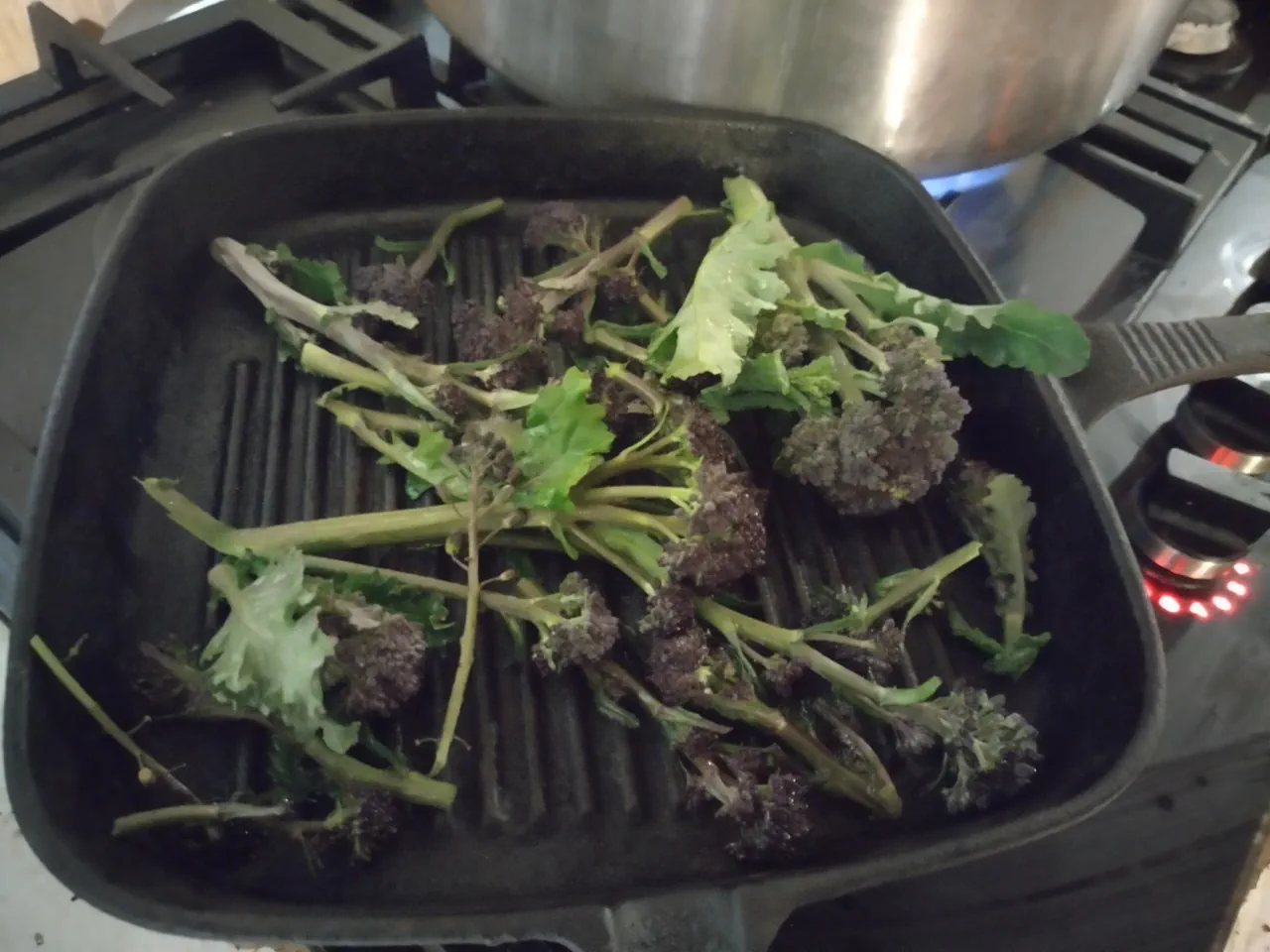
Once the broccoli is starting to char and just beginning to soften, add a knob of butter and let it foam around the stems. Then a good splash of soy sauce — this provides an umami boost and triggers a burst of steam that drives the braising process. The combination of the salt, liquid, and heat creates a beautiful braising sauce.
Add a squeeze of lemon juice. This does two things: adds needed acidity to balance the richness that is coming, and preserves the vibrant green colour by preventing the chlorophyll from going dull.
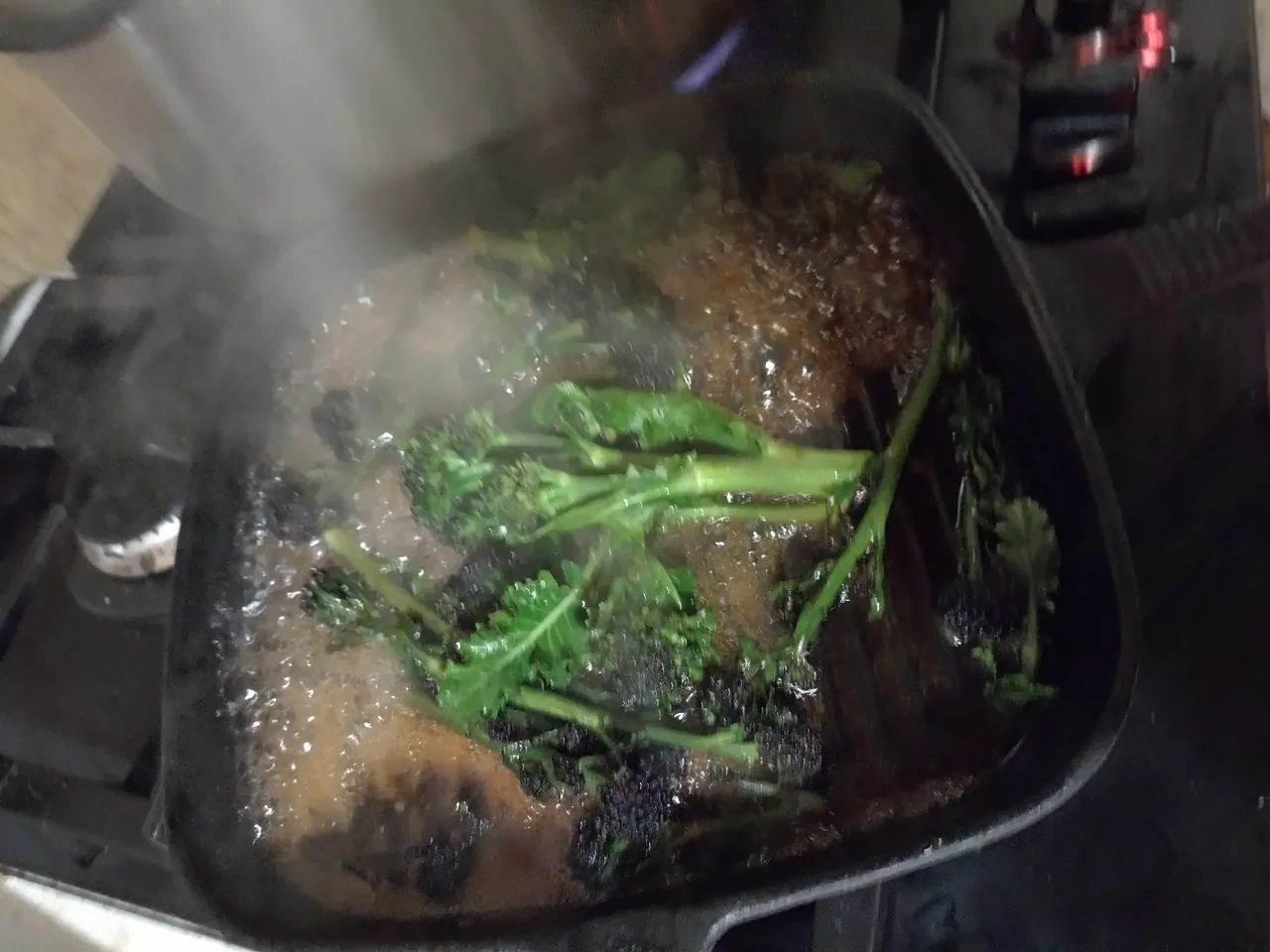
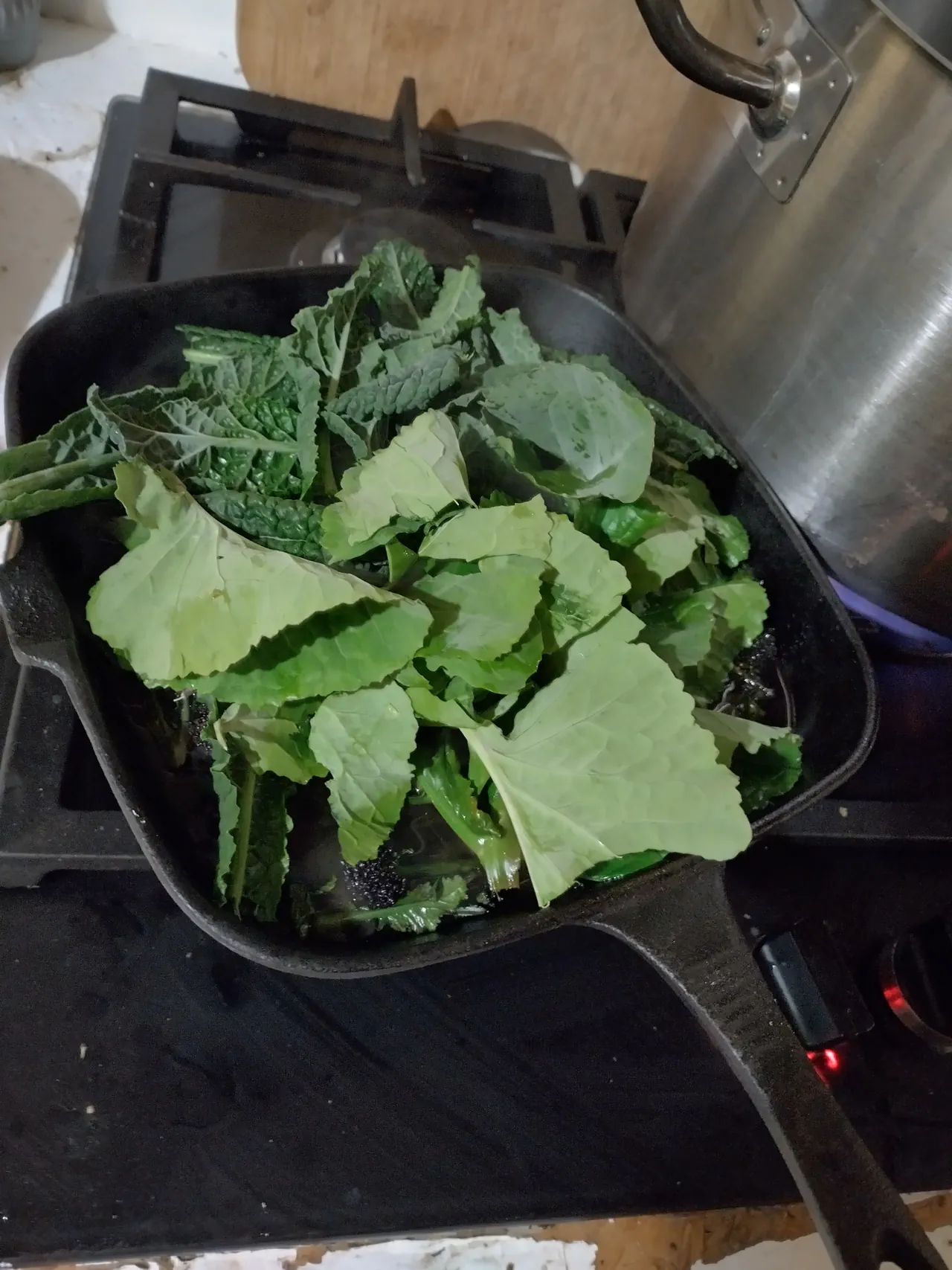
Then pile on the rest of your greens — kale, cavolo nero, whatever you have — on top of the broccoli. Add a ladleful of pasta water. Let it all steam together for about a minute. Take the whole thing off the heat and set aside.
The Two-Pepper Sauce Build
Heat a second pan (this will be the final serving pan — it needs to be big enough for all the pasta). Dry-grind black pepper into the cold pan, then heat it up. Let the pepper toast until it is aromatic. This gives you a deep, rounded pepper flavour.
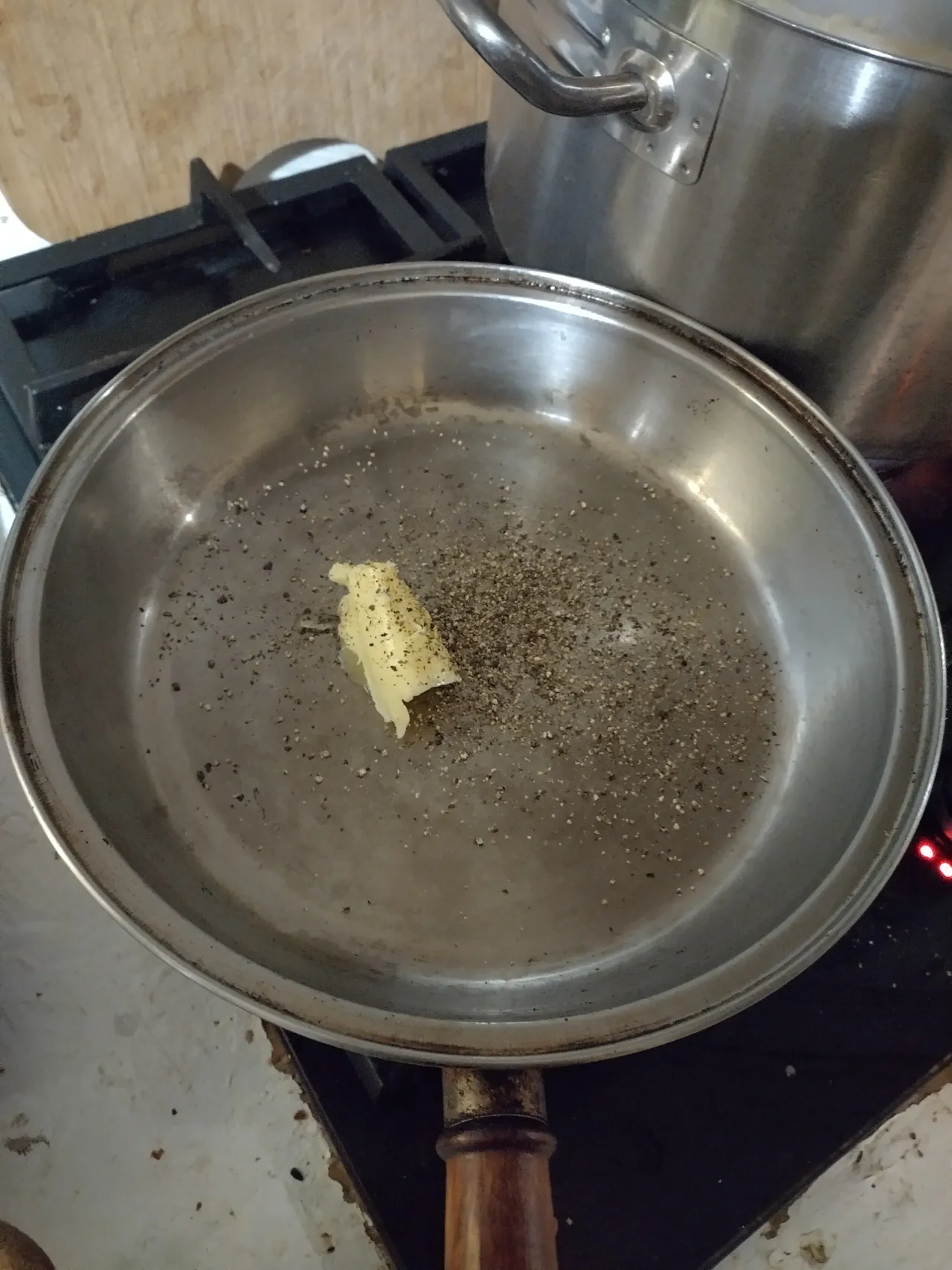
Add a good knob of butter and a glug of olive oil. As soon as the butter is foaming, add a ladleful of the starchy pasta water. The sauce will form almost instantly — you will see it come together. Let it simmer for a minute or two. You want roughly a small cupful of liquid sauce in the pan.
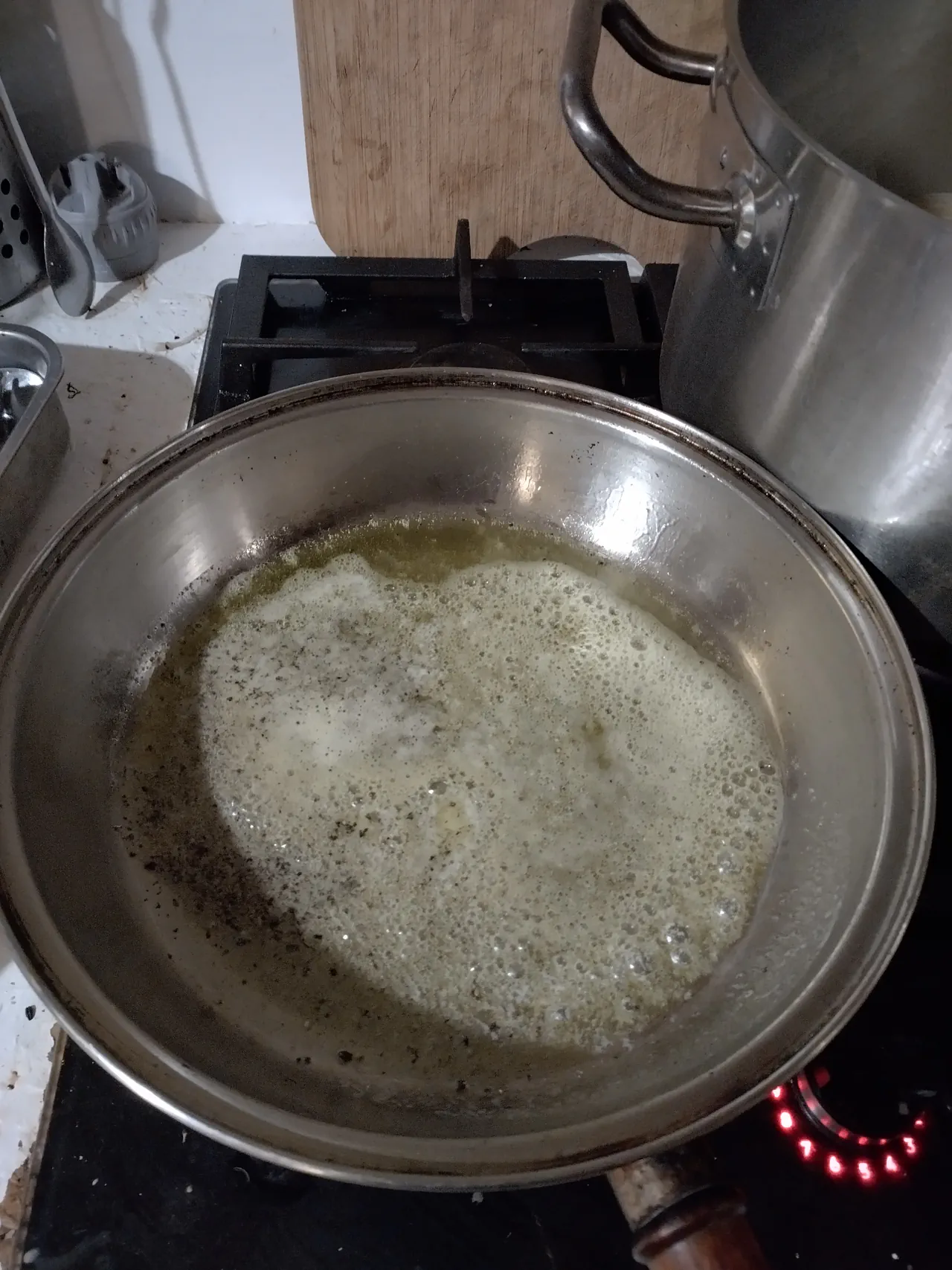
The timing is everything here. By this point, the pasta should be just ready — slightly al dente.
Assembly
Lift the pasta straight from its cooking water into the sauce pan using tongs (do not drain). Add a little more pasta water if it needs loosening. Add all the cheese. Mix vigorously until it all comes together into a silky, unctuous sauce that coats every strand.
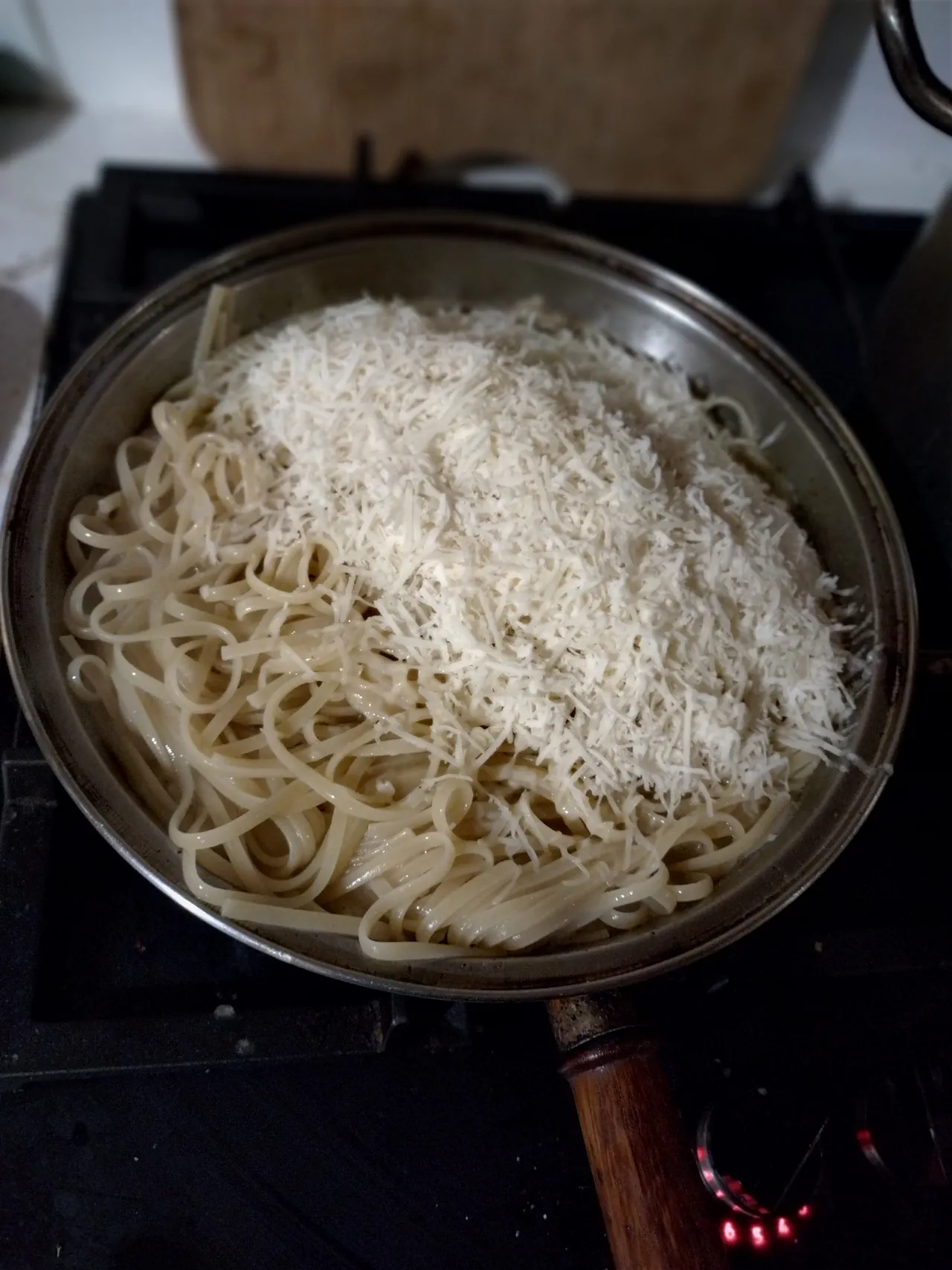
Add more freshly ground pepper now — this gives you a second, sharper pepper hit alongside the toasted pepper already in the sauce. Two different flavour profiles from the same ingredient.
The sauce should coat the pasta completely — it should look almost undressed, like there is no sauce there at all. But as soon as you eat it, it is perfectly sauced.
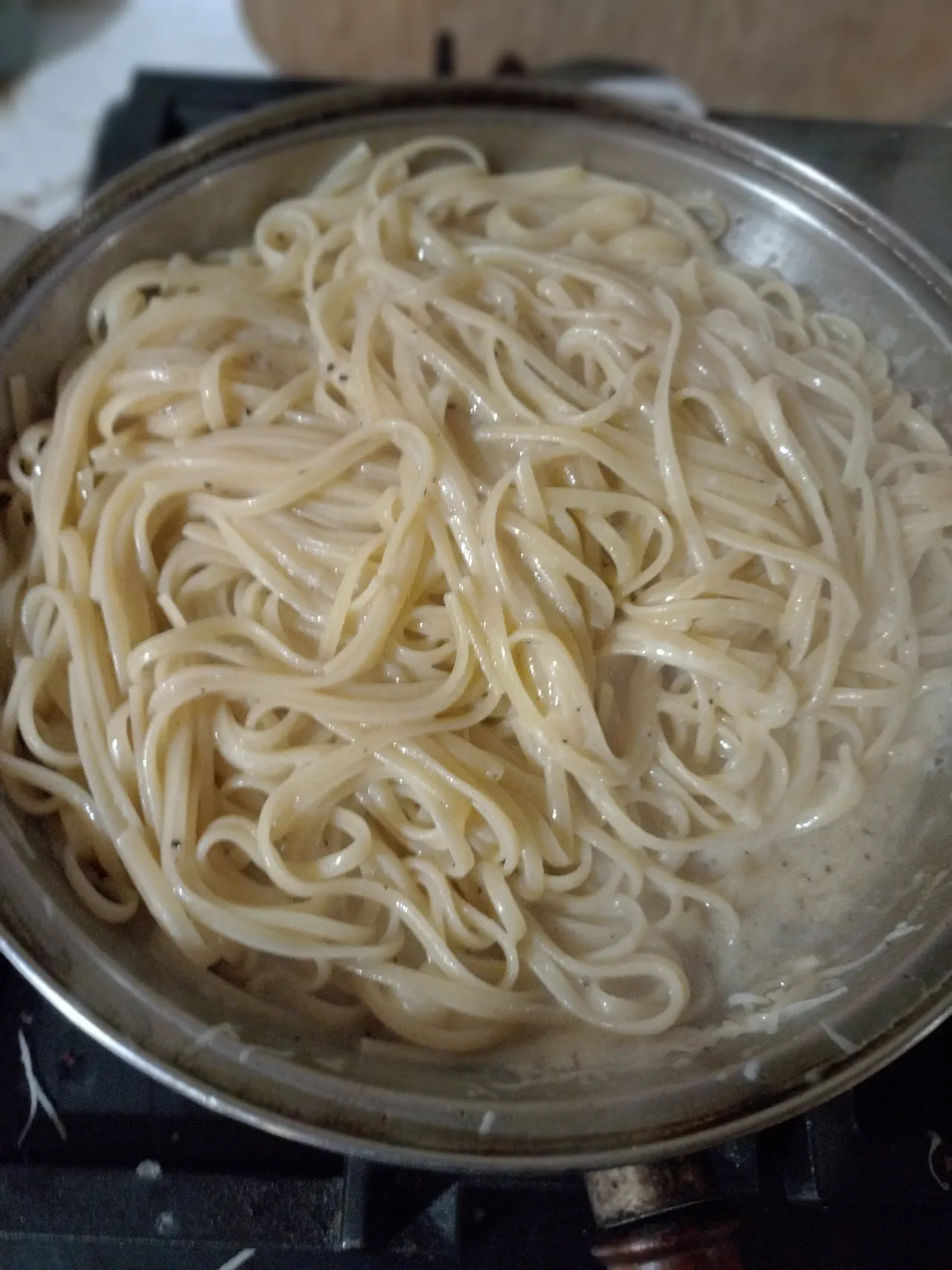
Plate the pasta. Pile the greens on top. More pepper if anyone wants it. More cheese if anyone wants it.
Notes
- On butter: Traditionalists use only olive oil with pecorino. Using butter is heresy in some circles. It works. Do what tastes good to you.
- On soy sauce: Not traditional. Not even slightly. But the umami boost it gives the greens is excellent, and it drives the braising process beautifully. Think of it like liquid Marmite — salty, savoury depth without being identifiable as soy in the finished dish.
- On the greens: This dish works with whatever you have. The method — char, butter, soy, lemon, steam — works with PSB, cavolo nero, kale, spinach, chard, spring greens, or any combination. Cook sturdier stems first, pile softer leaves on top to steam.
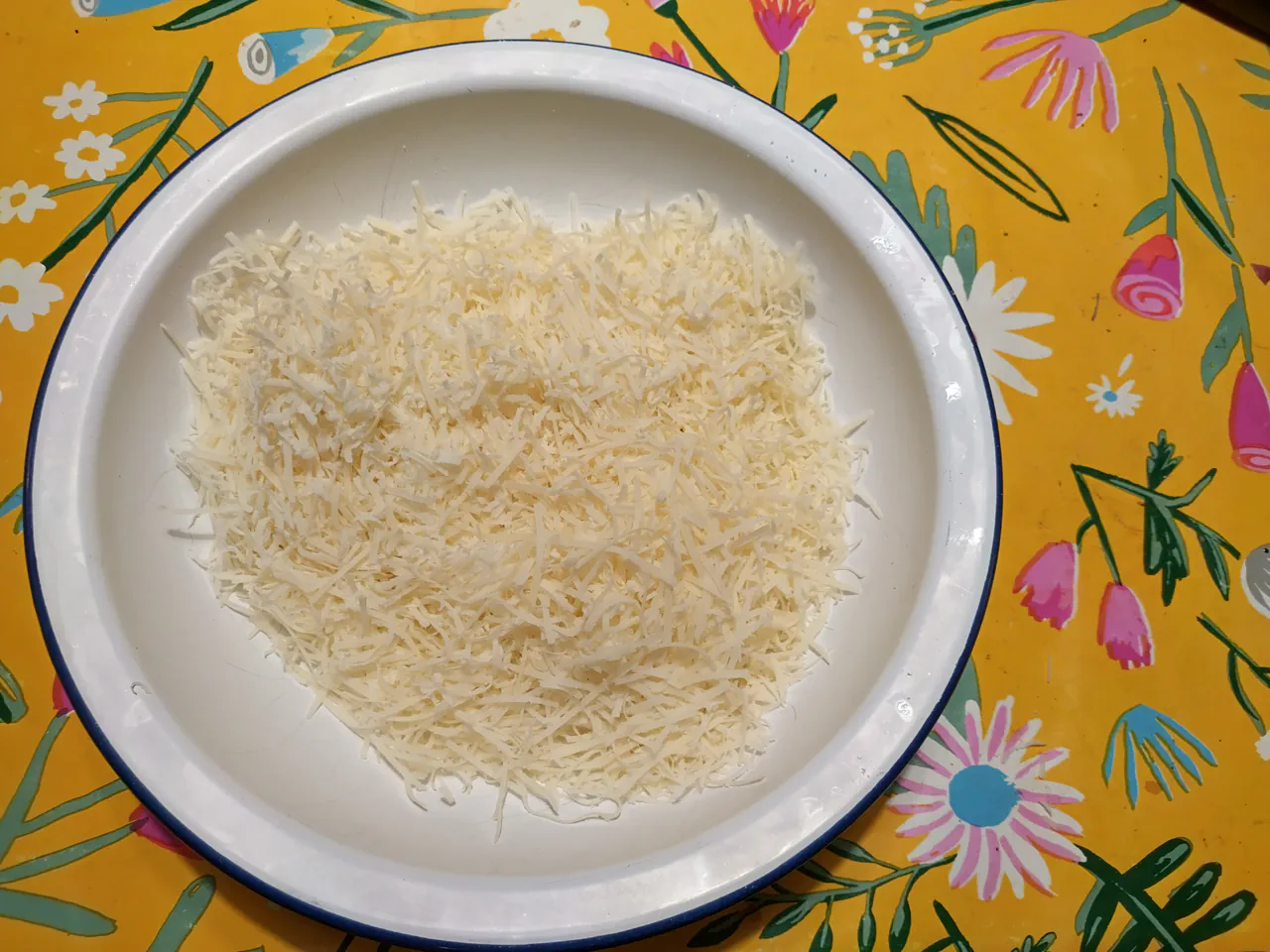
- On the cheese: Pecorino Romano is traditional and gives the sharpest, saltiest result. Parmesan or grana padano are milder and sweeter. All work. Mix them if you want.
Where This Came From
The purple sprouting broccoli and cavolo nero came from the gravel bed hydroponic system, which has not been connected to its nutrient reservoir since November. The Taunton Deane kale came from the soil garden. All three are still cropping in February — proof that the right plants in the right systems produce food well beyond the expected growing season.
The gravel bed guide is in the works — in the meantime, the hydroponic tomato wall guide covers a similar IBC-based hydroponic setup, and the gutter NFT herb wall guide documents how winter crops survived in the NFT system through similar conditions.
Frequently Asked Questions
Can you make cacio e pepe with parmesan instead of pecorino?
Yes. Pecorino gives the sharpest, saltiest result and is traditional. Parmesan and grana padano are milder and sweeter but work well. You can also mix them. Use the same quantity regardless of which cheese you choose.
What greens work best with cacio e pepe?
Whatever you have. The char-and-steam method works with any sturdy green: purple sprouting broccoli, cavolo nero, kale, chard, spring greens. Softer leaves like spinach just need a quick wilt at the end. The point is to use what the garden gives you — this dish adapts to the season.
Cooking this? Grow it