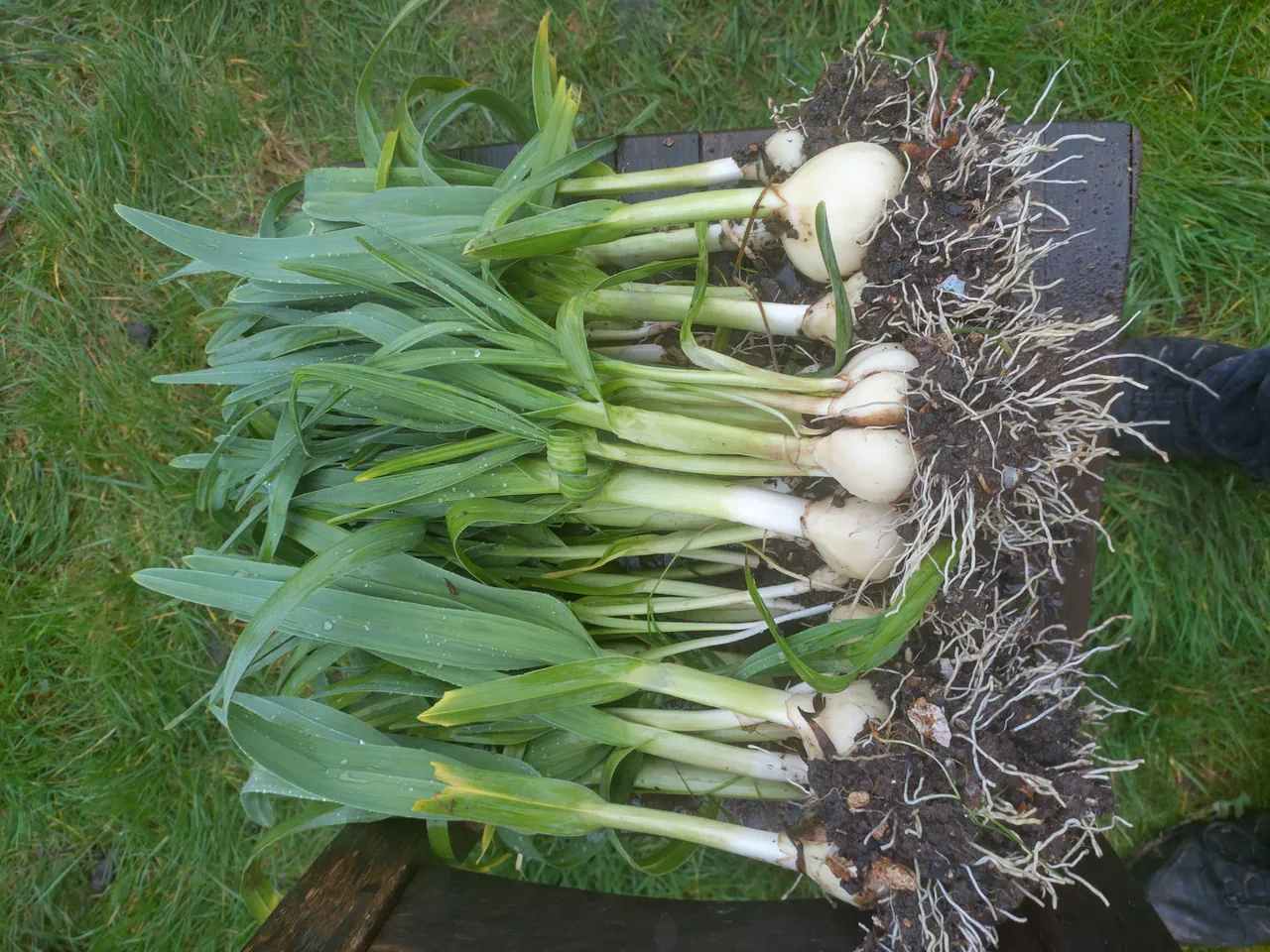
I have been growing Babbington leeks for about 17 years. I love perennial vegetables. You plant them once, and then with very little effort, harvest them again and again over years — or even decades.
Babbington leeks were one of my first forays into the world of perennial vegetable growing, and I have to say they have been a great success. I bought my first handful of bulbs from a Seed Sunday event, chucked them in my allotment, and in the first year, just let them go. They grew into beautiful tall flowering leek plants — those spectacular architectural purple ball flowers that leeks are so wonderful for.
Then the next spring, I rootled around in the soil, found the bulbs, divided them up and spread them out into a bigger patch. That year, I had absolutely loads of leeks and started eating my first few. From then on, I have just been harvesting them every year. I have actually moved patch a couple of times, and each time I have taken them with me, and each time within a year or so, I have a great healthy patch of leeks growing again. They are one of the most forgiving, most rewarding plants I have ever grown.
What Makes Babbington Leeks Special
With a normal annual leek, you sow seed, wait months, harvest the whole plant by pulling it up roots and all, and then start again next year. Babbington leeks are fundamentally different. They grow huge white bulbs underground — think somewhere between a large garlic bulb and a small onion — and these bulbs persist in the soil year after year, pushing up fresh leek stems every spring.
When you want to harvest, you do not pull the plant up. You slice the top of the leek off about an inch above the ground. And here is the most amazing thing: it regrows from that stump. You can harvest another leek from the same plant, and you can do that two to three times per season. That is two to three harvests from a plant you did not sow, did not transplant, and barely looked after. It just comes back.
The flavour is something else, too. They taste like leek, but with a distinctive garlicky edge that changes beautifully depending on how you use them. Eaten raw — which you absolutely can do — the garlic flavour is really strong, almost like very garlicky chives. Cooked, it mellows into this delicious buttery, garlicky softness that is genuinely tastier than a standard leek. They are one of my favourite things to eat from the garden. And they are one of the very first crops to appear each year. It is now February, and they are already at a size where I could start cropping a few small ones if I wanted to.
How to Grow Babbington Leeks
Growing Conditions
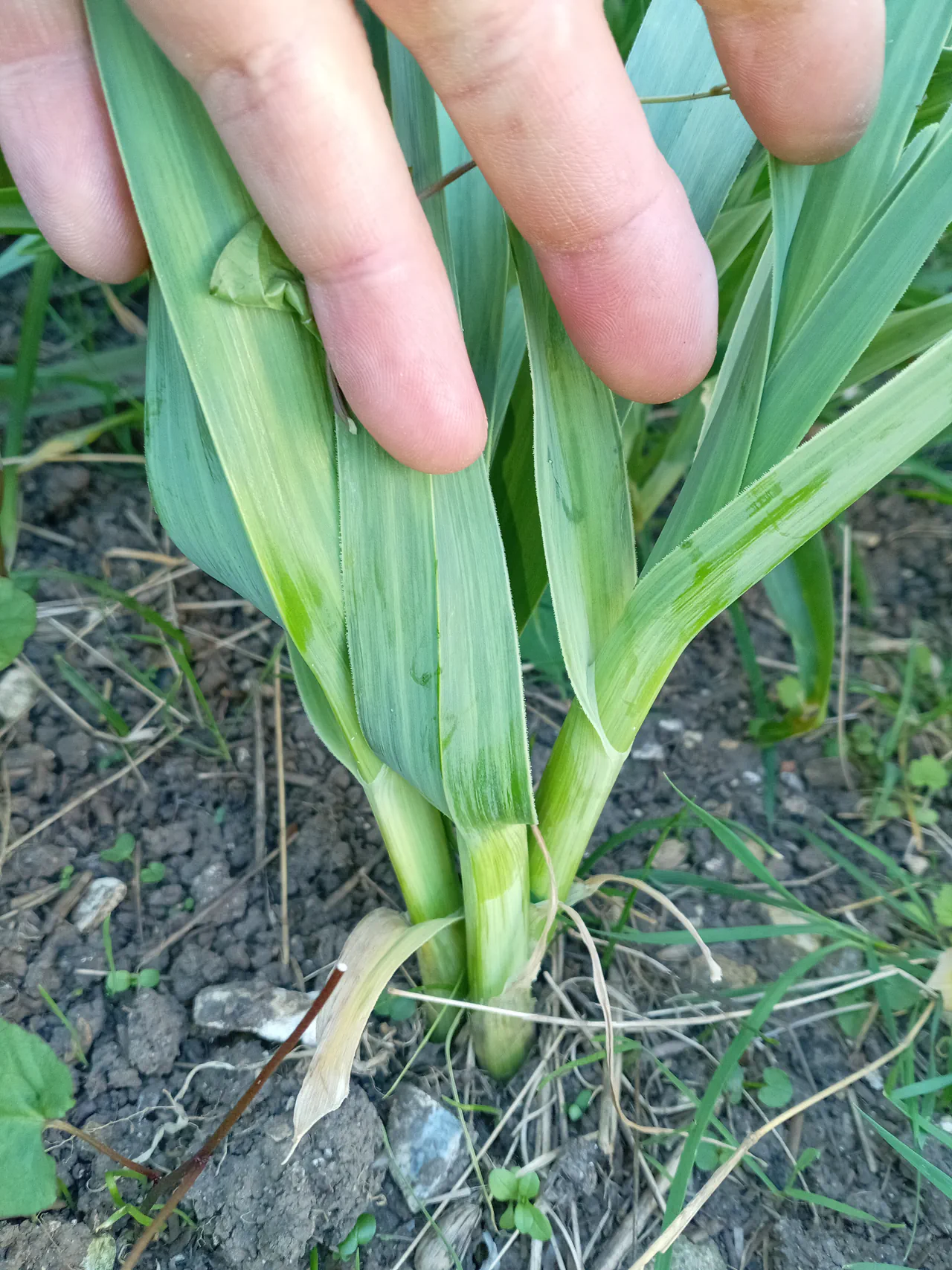
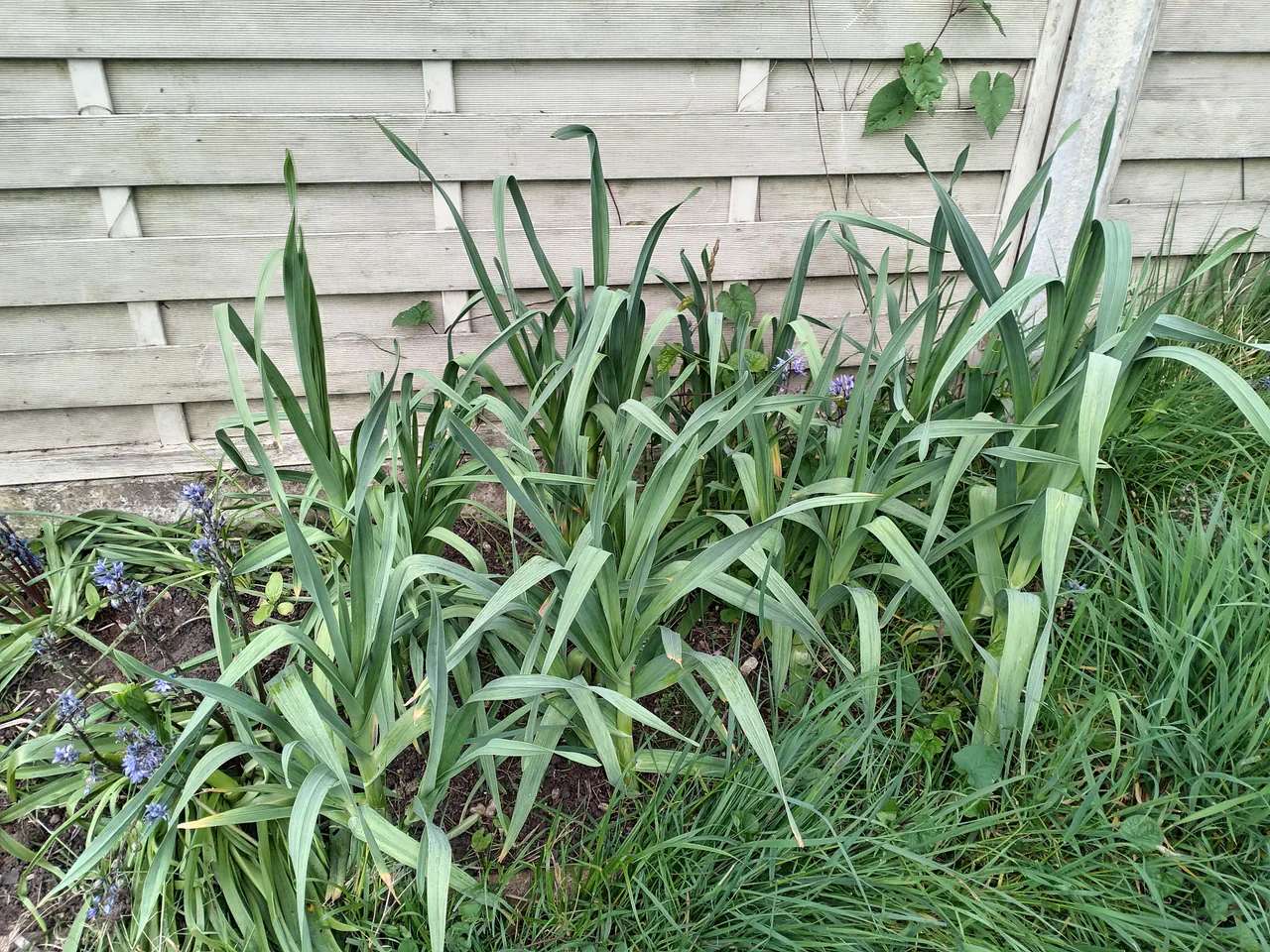
They grow really well in either full sun or partial shade. I currently have them growing against the east side of a fence — they get sun for about half the day. It is not the sunniest spot in the garden, but they absolutely love it there. I grow them in a nice loamy soil, and they have never complained.
Planting Depth
Plant the bulbs so the top is maybe a centimetre below the ground. I am not too precious about it, because they just take off whatever you do, really. Space them about 20cm apart between bulbs and rows — you can plant them quite densely, and they will fill in the gaps quickly as the bulbs divide.
Year One: Let Them Establish
In the first year, resist the urge to harvest heavily. Let the leeks grow up, flower, and do their thing. Those spectacular tall purple flower heads are not just beautiful — they are the plant investing energy back into the bulbs below ground. The bigger the bulbs get in year one, the more generously the patch will produce in year two and beyond.
Feeding and Care
In soil, I do not really do anything to them. I mulch around them for weed suppression and moisture retention — I quite like Strulch at the moment, which is straw impregnated with minerals. It is a bit expensive but works really well and seems to keep slugs down too.
I feed all my plants a bit. I do not feed these heavily — maybe every few weeks I will give them a water with a handful of general-purpose plant food. But they really do just look after themselves. If you are the kind of grower who wants a crop that asks almost nothing of you, these are it.
What Size Do They Grow?
They do not grow as big as what you might think of as a really large leek from the greengrocer. Think about a pack of leeks from the supermarket where you get two or three in a pack — they grow to about that size, probably about two fingers thick for the stem. Perfectly good eating size, just not show-leek size. And honestly, the flavour more than makes up for it.
Harvesting: Cut and Come Again
This is the bit that makes Babbington leeks truly special as a perennial crop. When a leek is ready — you can start cautiously from late February if they are a good size, though the main harvest season runs from late spring — slice the stem cleanly about an inch above ground level. Take the whole leek above that point: white stem, green tops, the lot.
The stump you have left, still attached to the bulb below, will push out a fresh stem. In about a month, you will have another leek ready to cut from the same plant. You can do this two to three times per season from each leek.
I tend to harvest from about two thirds of my patch and leave the remaining third completely alone. The ones I leave will grow those beautiful tall architectural purple ball flowers and store energy back into their bulbs — giving me nice fat bulbs that will divide and spread the following year. It is a balance: eat some now, invest some for the future.
Productivity Per Square Metre
When you add it all up, Babbington leeks are extraordinarily productive for the space they occupy. Plant them at 20cm spacing, get two to three full stem harvests per plant per season, trim and eat the greens repeatedly on top of that, and do it all over again next year without replanting. For the amount of care they require — which is basically none — I struggle to think of a more productive crop per square metre. The only ongoing input is a bit of mulch and the occasional feed — the system is entirely self-sustaining.
Dividing and Spreading
One of the great pleasures of growing Babbington leeks is dividing them up and spreading them around. Late winter is ideal — February, before they put on too much top growth. The process could not be simpler: dig up a clump with a garden fork and rip the bulbs apart by hand.
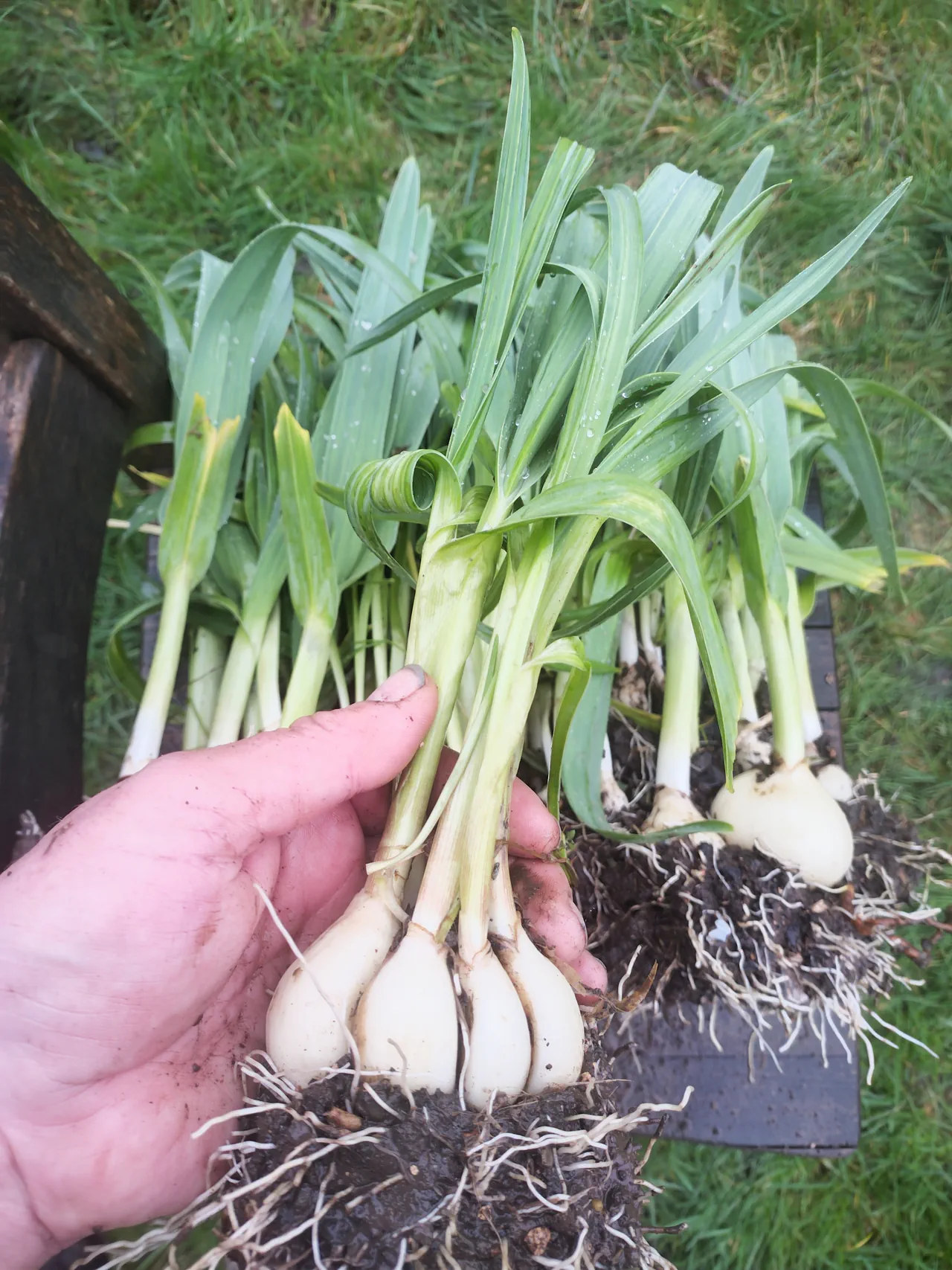
You do not need to be delicate about it. Part of the reason is the bulb structure — where you have a plant with just roots, you need to be careful to preserve the root system. But when you have got a bulb, it has so much energy stored that even if you do not keep too much of the root system, it will stick out new roots really quickly. They are incredibly easy to divide. They really are a pretty vigorous plant in the right conditions.
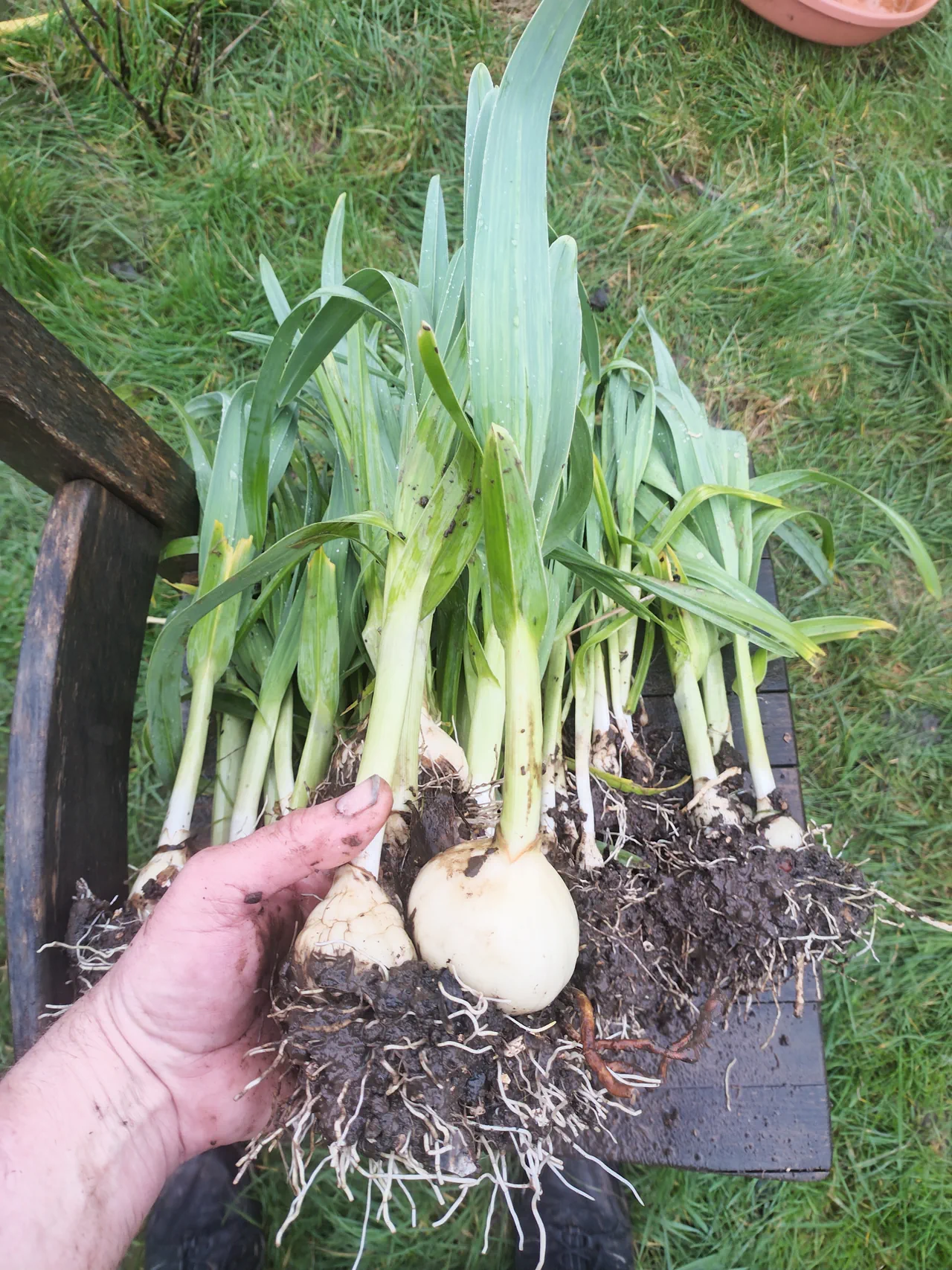
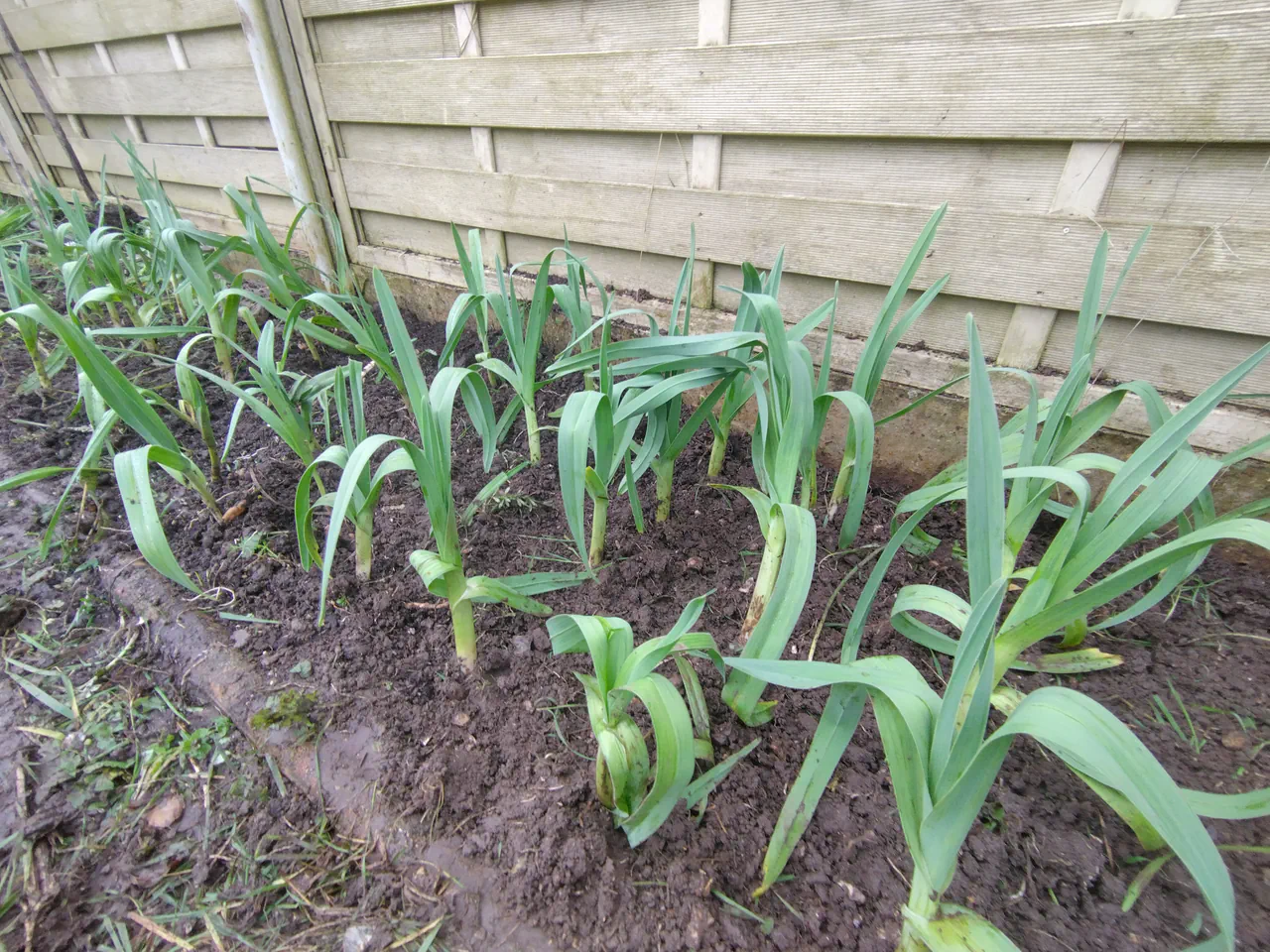
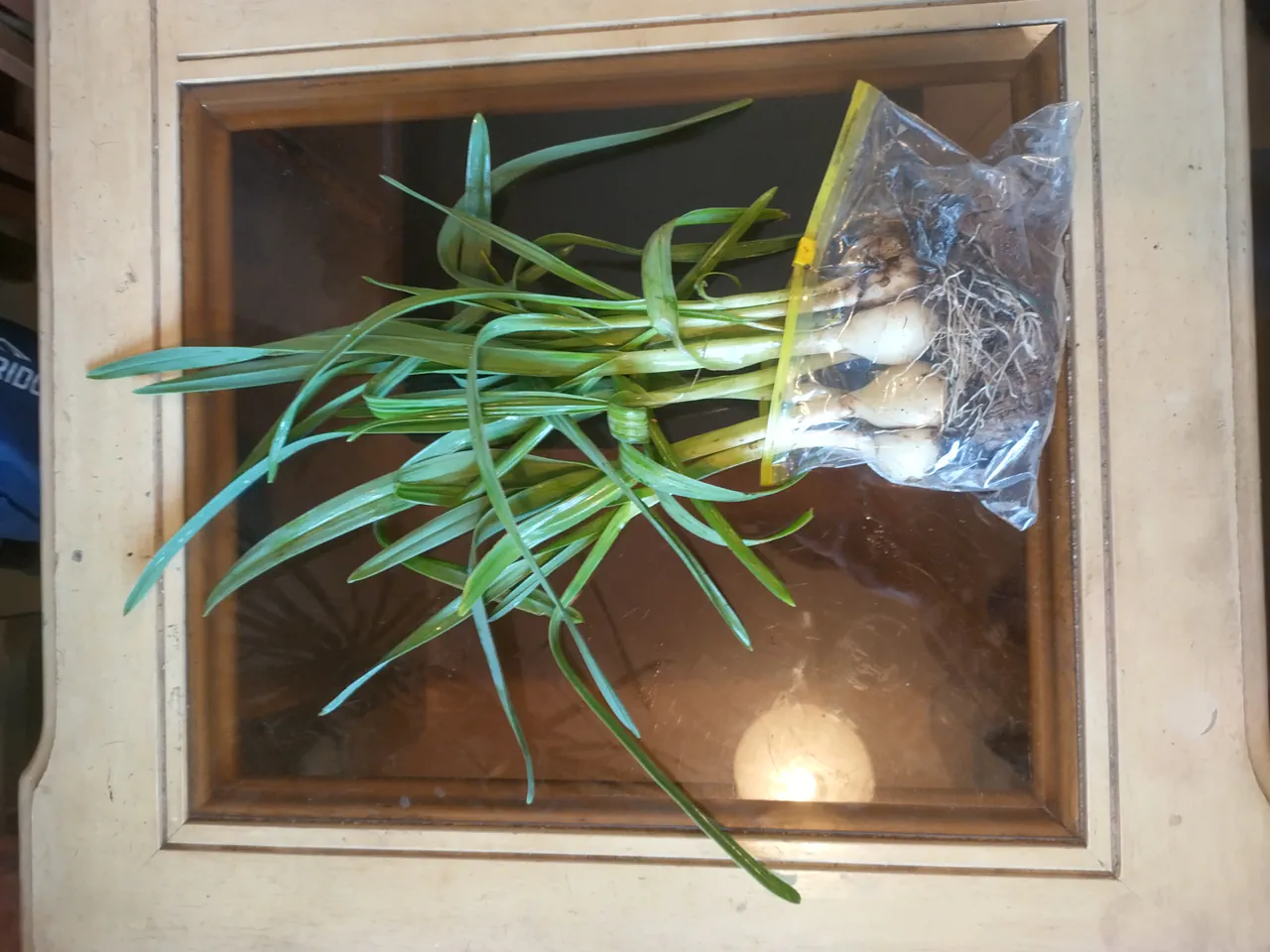
Replant the divided bulbs about a centimetre deep, water them in, and leave them to it. Within weeks they will be putting out fresh growth. This year, I have divided my entire patch — spread some out to fill a bigger area, and I am sending a bundle to a friend who lives a couple of hundred miles further north with totally different growing conditions. I am curious to see how they do.
The Variety Question
I have bought Babbington leeks probably about three different times over the years. And the honest truth is, they are not all equal. The batch I originally got from the Seed Sunday event are vastly better than anything else I have tried. They grow bigger, faster leeks. They do not ever seem to get rust. They are just a particularly nice variety — which is exactly why I want to split them up and give them to as many people as possible.
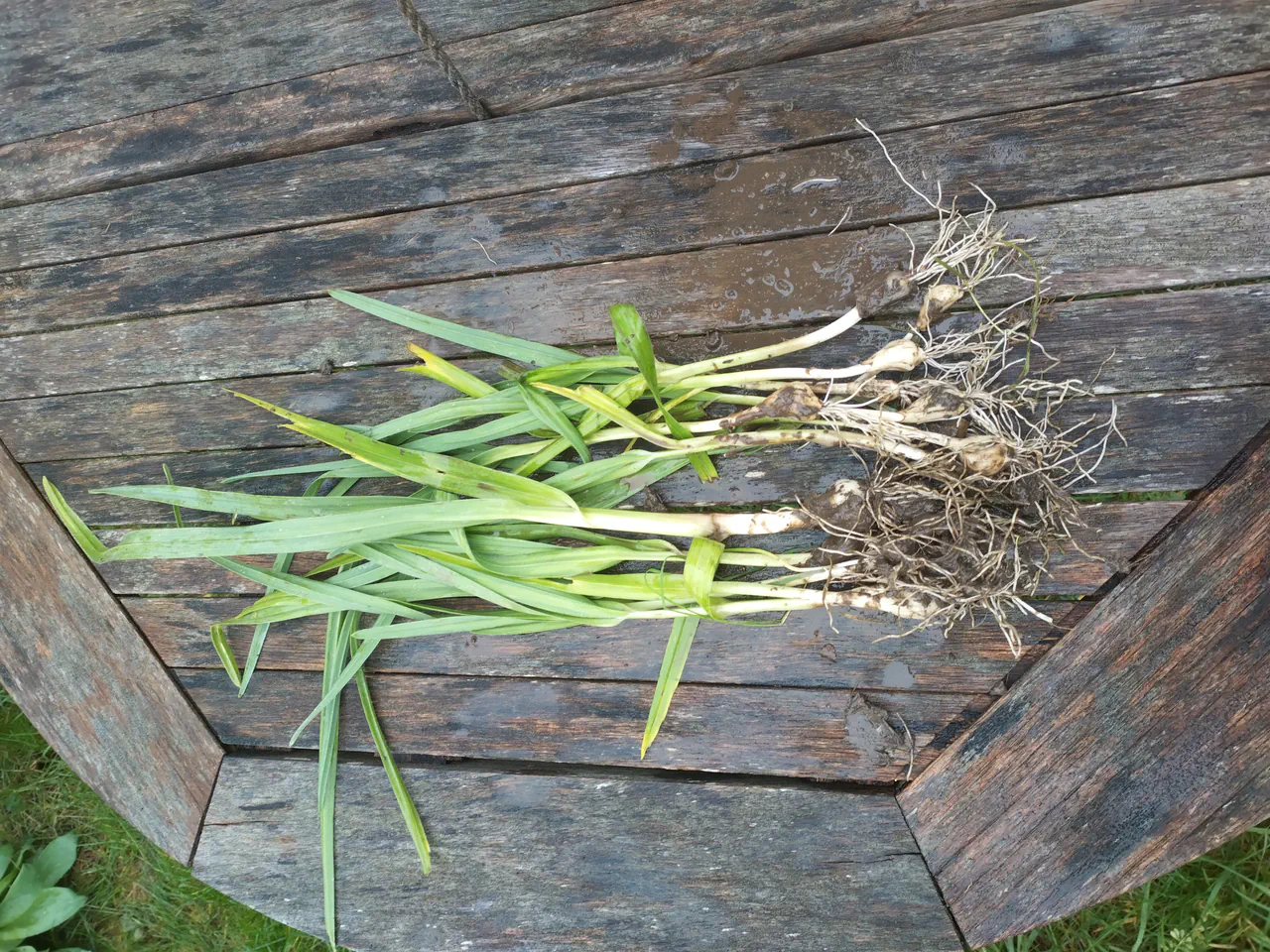
The ones I bought from eBay have been a different story — much smaller, and they get rust almost as soon as they come out of the ground. They do still come back year after year, so they are genuinely perennial, but the difference in quality is stark. If you can, try to source your stock from someone who has a well-established, productive patch rather than buying blind online.
When I divided my main patch this year, I kept the smaller bulbs separate. Rather than replanting them in soil, they are heading into one of my hydroponic systems as an experiment — I am curious to see how perennial leeks perform with a controlled nutrient supply. More on that in the perennial vegetables in hydroponics experiment.
Where to Find Babbington Leeks
This is the tricky part. They are hard to find commercially. There is no reliable mainstream garden centre source that I know of. Your best options are:
- Seed Sunday events and plant swaps — this is where my best batch came from. Other growers who have had them for years tend to have the best stock.
- eBay — variable quality. Some sellers have decent stock, but my experience has been that these are smaller and more rust-prone than plants sourced from established growers.
- Other food growers — ask around at allotment sites, community gardens, and growing groups. Anyone who has Babbington leeks will almost certainly have more than they need and be happy to share.
The Hydro Experiment — Coming Soon
This year, I am trying something slightly different. I am taking some smaller bulbs and putting them into one of my hydroponic systems for the first time. I am quite interested in seeing what perennial vegetables we can grow hydroponically — that has surely got to be the cheapest and lowest effort way of getting a delicious crop from a small space.
If perennials work well in hydro, you could build a system that produces food indefinitely with minimal replanting. I am documenting the whole thing as a proper side-by-side experiment, comparing the hydro leeks against the established soil patch. I will report back on how they do.
Frequently Asked Questions
What are Babbington leeks?
A perennial leek native to the British Isles that grows from bulbs persisting in the ground indefinitely. Cut the stem an inch above the bulb and it regrows — 2-3 harvests per season. See what makes them special for the full story.
Can you eat Babbington leek greens?
Absolutely — the garlicky flavour is actually strongest in the green tops. Use the whole plant from white base to green tip. You can also trim the greens like chives between full harvests for a fresh allium hit in salads and soups.
How do you propagate Babbington leeks?
Dig up a clump in late winter (February is ideal), pull the bulbs apart by hand, and replant about 1cm deep. The bulbs store so much energy that even rough handling will not stop them. See the full dividing and spreading guide.
How long do Babbington leeks take to establish?
Harvestable leeks within the same season if you divide in February. Let some plants flower in year one to build bulb energy, and by year two you will have a generous, self-sustaining patch. See year one advice.
Where can you buy Babbington leeks in the UK?
They are hard to find commercially — no reliable garden centre source. Your best bet is Seed Sunday events, plant swaps, and other growers. See where to find them for all the options, or get in touch and we will try to send some when we next divide.
Grew this? Cook this
Related Content
All Growing Guides
Browse all guides by method, difficulty, and season
Pink Oyster Mushrooms in a Bucket
Another low-effort, high-reward crop — perfect for beginners
DIY Gutter Grow Hydroponic Tomato Wall
The passive hydroponic system for heavy crops like tomatoes
DIY NFT Hydroponic Herb & Salad Wall
Herbs and salad leaves from a shed wall — complements the leek patch